
From Market Strategy to Psychology — The Complete Guide for Creators and POD Sellers
Selling t-shirts online isn’t just about uploading a design and setting a number. Pricing is the heartbeat of your business — where your strategy meets your audience’s emotions. This guide will show you how to calculate your real costs, find your ideal profit margin, and apply psychology to make customers feel your t-shirts are “worth it.”
1. Why Pricing Your T-Shirts Matters More Than You Think
In online retail — especially in Print-on-Demand (POD) — your price isn’t just a number. It’s your brand statement.
A $19.99 shirt and a $39.99 shirt may look similar on paper — both cotton, both cute — yet they tell completely different stories.
“Low prices attract curiosity. Smart prices build trust.”
With POD, setting the right price helps you:
- Secure steady profit margins without inventory.
- Stay competitive across Etsy, Shopify, WooCommerce, and Printeby.com.
- Experiment with pricing to find your “sweet spot” audience.

2. Key Factors to Consider Before Setting Your T-Shirt Price
2.1. Know Your Target Market
Before crunching numbers, define who you’re selling to.
Gen Z shoppers behave differently from young professionals or collectors.
| Audience Segment | Buyer Mindset | Ideal Price Range |
|---|---|---|
| Gen Z / Students | Trend-driven, price-sensitive | $18–$25 |
| Young Professionals | Care about fabric, comfort, and subtle design | $25–$35 |
| Anime & Chibi Collectors | Value originality and limited editions | $35–$49 |
| Gift Shoppers | Emotion over logic, price is secondary | $40–$60 |
On Printeby, items like the “Watch Out for Furballs” Unisex Tee or “Gaming Time” Chibi T-shirt are often in the higher range — because they’re collectible, not just wearable.

2.2. Calculate Your Production Costs
Your selling price starts with the real cost behind each piece.
Here’s the typical cost breakdown for POD apparel:
- Blank T-shirt base cost:
- Basic softstyle: $8–$12
- Garment-dyed heavyweight: $14–$18
- Printing method cost:
- DTG (Direct-to-Garment): $5–$8
- DTF (Direct-to-Film): $3–$5
- Fulfillment platform & app fees:
- Shopify/WooCommerce add-ons: $1–$2/order
- Printeby’s automated system already includes handling fees.
- Shipping cost:
- Typically $5–$10 depending on region.
- Marketing & ad spend:
- Usually 10–20% of your selling price.
Most POD sellers report total costs between $18 and $25 per shirt. The ideal retail price should be 2–3× your total cost to stay profitable and sustainable.
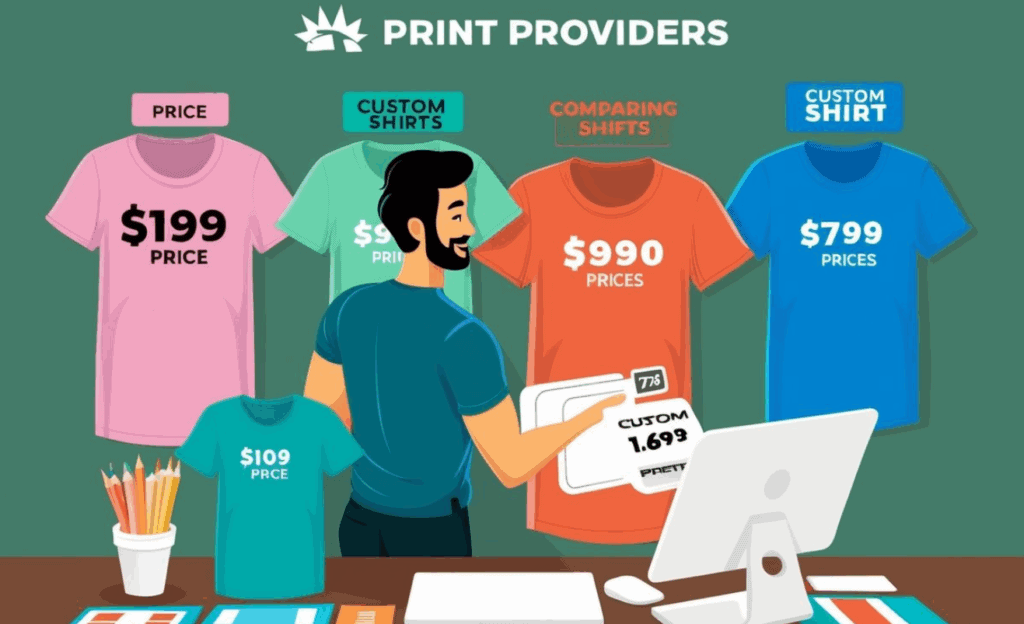
2.3. Perceived Value and Brand Positioning
Customers don’t pay for fabric — they pay for what it says about them.
For example:
- A Nike logo tee can cost 4× more than a blank tee — not because of the cotton, but because of brand perception.
- With Printeby, emotional branding comes from the tagline:
“Chibi – Emotion in every detail.”
“Emotional value = Brand story + Customer connection.”
Your story — how your designs represent feelings, dreams, or comfort — is what turns a $20 shirt into a $40 shirt customers proudly wear.
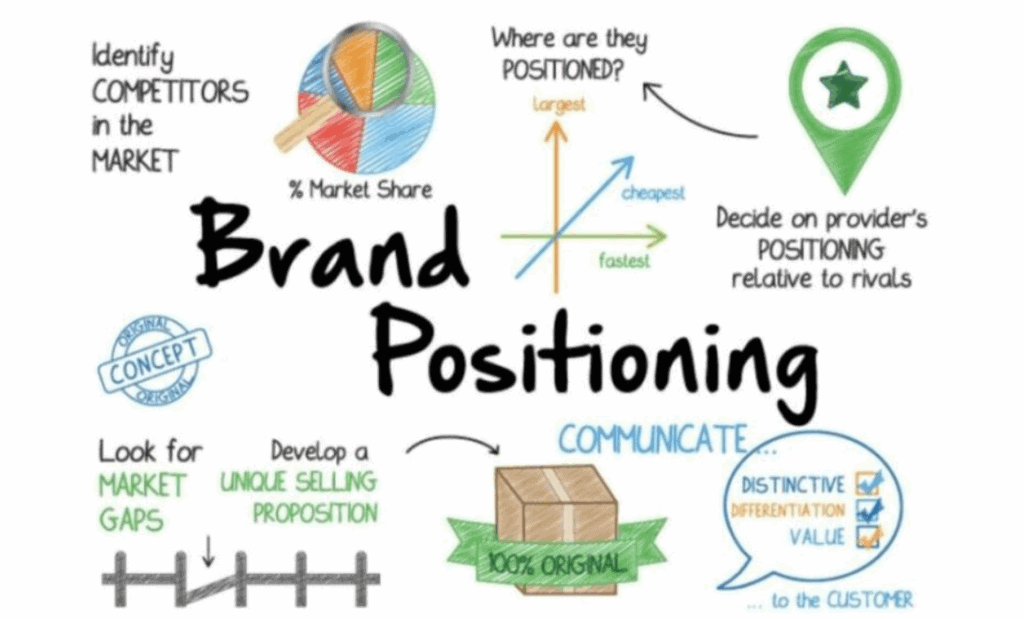
The Basic Formula for T-Shirt Pricing
A simple yet effective formula used by top POD sellers:
Selling Price = (Production Cost + Shipping) × Markup Multiplier + Platform Fee
Let’s apply it to a real example:
| Component | Cost |
|---|---|
| Blank T-shirt (cotton 6oz) | $9 |
| Print (DTF, 1 side) | $4 |
| Shipping | $6 |
| Total Cost | $19 |
| Markup multiplier | 2.5× |
| Final Retail Price | $47.50 |
Adjust based on your goal:
- 2.0× → competitive, lower profit per sale.
- 2.5–3.0× → healthy margin, suitable for art-based or niche designs.
- 3.0×+ → luxury or exclusive collection pricing.
On Printeby, the average unisex tee sells between $35–$45, depending on print type and design exclusivity.
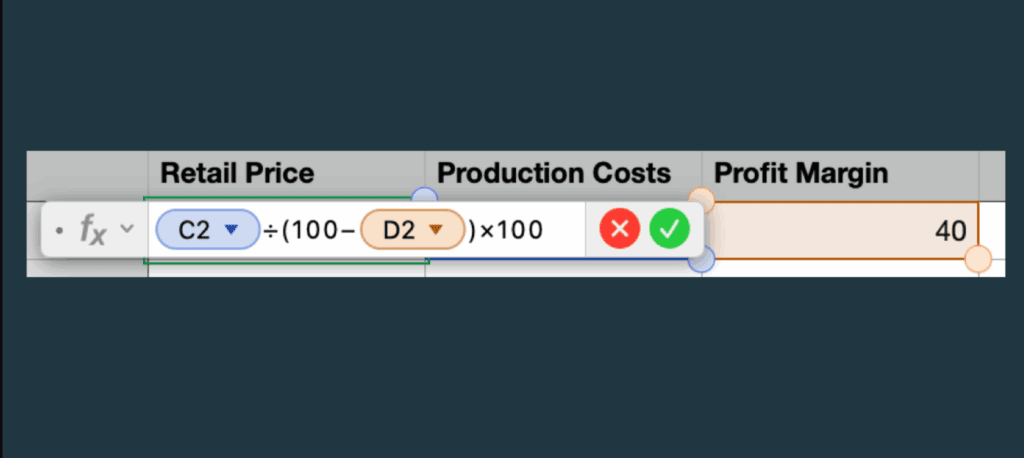
4. Psychological Pricing Tricks That Actually Work
Pricing isn’t just math — it’s psychology.
These small tweaks can dramatically change how customers feel about your product.
4.1. The Magic of “.99” Pricing
Customers read numbers from left to right.
A $29.99 shirt “feels” cheaper than $30 — even though the difference is one cent.
Use endings like .99, .95, or round tiers like $34.50 for charm pricing that increases conversion.

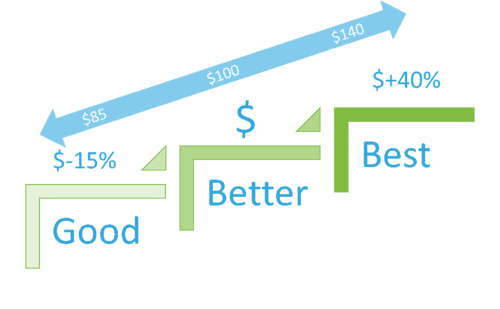
4.2. Tiered Pricing (Good, Better, Best)
Give customers control by offering multiple options.
Example:
- Basic Tee – $24.99
- Premium Tee – $34.99
- Collector Edition – $44.99
Printeby uses this model effectively by offering both Softstyle and Garment-Dyed Heavyweight variants of the same chibi design.
4.3. Anchor Pricing (Create the “Deal” Effect)
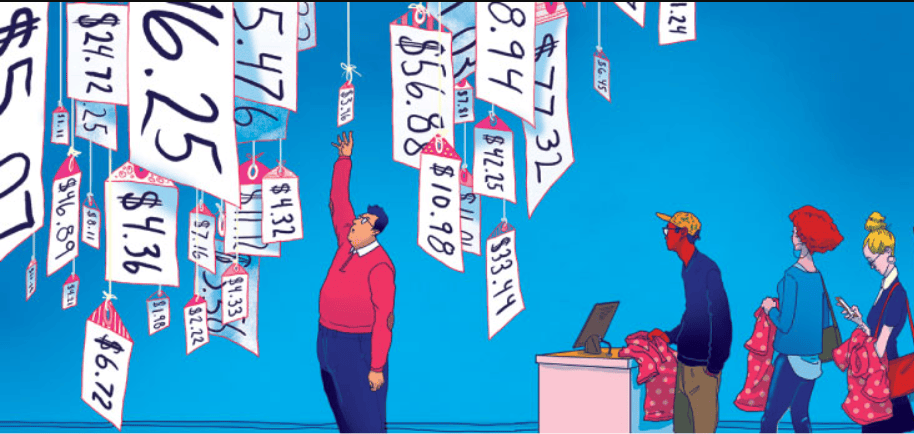
When you display two close prices, customers anchor their judgment to the higher one.
If your shirt was originally $59.99 and now $44.99, they feel they saved $15 — even if your profit stayed the same.
“I just saved money — and got something premium.”
That’s emotional satisfaction.

4.4. Emotion-Driven Pricing
For art-based or anime fashion brands, never sell a product — sell a feeling.
Focus your copy on:
- Mood: “Wear your chill.”
- Story: “For nights you just want soft tunes and slow vibes.”
- Uniqueness: “Hand-drawn chibi design by Printeby artists.”
Price confidently — emotions justify value better than discounts.

5. How to Test and Optimize Your T-Shirt Prices
Pricing is not a fixed decision — it’s data that evolves.
Run A/B tests across your channels and adjust based on real behavior.
Example from Printeby Store:
| Product | Price A | Price B | Result |
|---|---|---|---|
| “Gaming Time” Chibi Tee | $34.99 | $39.99 | Higher sales at $39.99 (perceived premium) |
| “Lazy Paws” Crop Top | $29.99 | $24.99 | Lower price boosted volume but cut profit 20% |
| “Furballs” Sweatshirt | $49.99 | $54.99 | No big difference → brand loyalty strong |
Insight: Raising prices slightly often improves both margin and brand perception.
6. Tools and Platforms That Simplify T-Shirt Pricing
6.1. Use Printeby for Instant Cost + Price Suggestions
With Printeby, you can:
- Choose a blank tee, upload your design, and preview profit instantly.
- See base cost and recommended retail price automatically.
- Connect your Printeby store to Shopify, WooCommerce, or Wix.
- Manage global shipping and taxes seamlessly.
Try it here: https://printeby.com/create-your-own/

6.2. Track Your Margins Like a Pro
For every new listing, record:
- Base cost (blank + print)
- Selling price
- Profit per unit
Printeby’s dashboard automatically calculates your profit and margin, so you can fine-tune pricing based on real results.
7. Case Study: From Sketch to Best-Selling Tee
Step 1: Concept
A digital artist draws a sleepy chibi cat called “Lazy Morning.”
The mood is cute, cozy, and totally relatable.
Step 2: Create via Printeby
- Product: Unisex Heavy Cotton Tee
- Upload artwork (AI-generated or hand-drawn)
- Position: Center chest print
Step 3: Pricing
| Item | Cost |
|---|---|
| Base + print | $18 |
| Target profit | $15 |
| Final price | $33 |
Step 4: Launch and Analyze
List it on Printeby Shop or sync to Etsy.
After 10 orders, increase the price to $35 — if sales stay stable, you’ve found your profit ceiling.
8. Common Pricing Mistakes (and How to Avoid Them)
- Copying competitors’ prices without knowing your own costs.
- Underpricing to chase volume — often ends in negative margins.
- Ignoring perceived value — emotion sells better than discounts.
- Frequent discounting — trains customers to wait for sales.
- Forgetting seasonality — holidays are perfect for premium pricing.
During festive seasons (Christmas, Valentine’s, Back-to-School), increase prices 10–15% with limited-edition designs.
9. The Future of Pricing in POD and E-Commerce
The next evolution of POD pricing is AI-assisted dynamic pricing.
Platforms like Printeby are developing intelligent pricing engines that:
- Analyze market demand and keyword trends.
- Track your conversion data.
- Suggest price ranges that maximize both sales and profit.
This allows creators to focus on what they do best — designing adorable, emotionally rich art — while AI handles the numbers.

10. Final Thoughts: Your Price Tells a Story
A t-shirt is more than fabric — it’s an emotional canvas.
When priced with purpose, it becomes a message customers are willing to wear and share.
“At Printeby, every tee tells a feeling.”
Huong Nguyen, Founder & CEO
Create, Price, and Sell Your T-Shirts Effortlessly with Printeby
Step 1: Pick your product here
Step 2: Upload your chibi or anime design
Step 3: Let Printeby calculate cost & suggest a smart retail price
Step 4: Publish, sell worldwide — no inventory, no stress
Visit: https://printeby.com/create-your-own/
Email: admin@printeby.com